Why Nathan Fielder's Elizabeth Holmes Documentary Had a Kill Switch
A24 agreed to fund the project, but the filmmakers could walk away if no compelling story emerged, and I wonder how much Holmes's own words influenced the documentary's direction
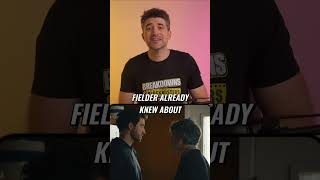
Nathan Fielder's documentary about Elizabeth Holmes came with an unusual safety net: a kill switch negotiated with A24. The Elizabeth Holmes story had already been told countless times, so Fielder secured a deal that let the filmmakers abandon the whole project if they couldn't find a compelling story while they were filming.
How Nathan Fielder's kill switch deal with A24 worked
Under the arrangement, the studio agreed to finance the entire production. But if the filmmakers failed to find a story worth telling during the shoot, they could walk away without ever delivering a finished movie.
That deal is tied to what came next. Fielder already knew about the financial demands of Billy Evans, Holmes's partner, before he started work on the documentary. In fact, the entire meeting with A24 happened before filming had even begun.
Elizabeth Holmes says she has no financial interest in the documentary
Then, during filming, Holmes tells Fielder she has absolutely no financial interest in the documentary. Suddenly that earlier meeting takes on an entirely new meaning. Did Holmes know about the deal, or was she genuinely unaware of what her partner was doing?
I have to wonder how much that discovery influenced the direction of the documentary. Fielder isn't simply observing Holmes anymore. He's now actively trying to figure out whether she's lying to him.
Fielder is a witness, an investigator and the storyteller
That puts Fielder in an unusual position. Not only was he personally involved in the meeting that started the entire mystery, he's now investigating what happened, recreating conversations that nobody filmed, and deciding which details the audience gets to see.
He's essentially a witness, an investigator, and the person telling us what happened, all at once.
Fielder and Oppenheim often disagreed about what they saw
What I find particularly interesting is that Fielder has admitted he and Oppenheim would frequently disagree about what they were witnessing. Sometimes they'd watch the exact same interaction and come away with completely different interpretations of what happened.
Those clashing readings of the same moments ultimately helped convince them there was a documentary to be made.
What other creators are saying
More on Documentary →I did not love the Elizabeth Holmes film with Nathan Fielder, but I would still nominate it for best picture
You Can See Everything review: performance art, not a documentary →
The film follows the Theranos founder and her partner Billy Evans in the 34 days before she went to federal prison.
The A24 documentary from Fielder and Lance Oppenheim follows Holmes and Billy Evans before her prison term, then brings in Amanda Seyfried to restage what the cameras missed
Likely yes. The article suggests the mother may have no clipped into the Backrooms, which broke her mind and explains her paranoid fear of outsiders, though this is framed as a theory rather than confirmed fact in the film.
Watch the original
@breakdownsandblockbusters · YouTube
Adapted with AI from Breakdowns & Blockbusters' video of 6 November 2026 and checked against the video before publication. Editorial standards · Corrections
More from @breakdownsandblockbusters
All →


Make videos? Your next one could be an article here.
We turn your videos into articles under your name, linked back to the original. You keep 60% of what they earn, non-exclusive, and you can leave whenever you like.
Become a SubPlotter →