CinePals Notices Spider-Man: No Way Home Was Quietly Altered After Its Theatrical Run
Two visual changes to the film have me thinking about what it means that movies, like video games, can now be patched after release.
 CinePals (AI-assisted)10 August 2026 · Editor: Digital Fox Talent Editorial Team
Spider-Man: No Way Home was changed after it already played in movie theaters, and I want to talk about what that means for how we think about movies, video games and digital media going forward. I never really thought about the fact that films are now sent to theaters digitally rather than in film canisters, which used to make it too costly and impractical to alter a movie once it was out. Now that everything is streamed to theaters or shipped on hard drives, making changes after release is a lot easier than it ever was before.
I grew up on physical media, on VHS tapes, DVDs and the first iteration of Blu-rays, so the idea that a movie can be updated after the fact is something I am still getting used to. And yes, there are spoilers ahead, so if you have not seen Spider-Man: No Way Home, do not read further until you have.
George Lucas Set the Precedent With the Star Wars Special Editions
Back in the late 90s, George Lucas put out an updated version of the original Star Wars trilogy that he called the Special Editions. What people did not realize at the time was that there was no walking back on those versions. They became the definitive versions going forward, and for purists this was, in my words, abhorrent and terrible. Today you cannot buy the original theatrical cuts shown before 1997. You can only buy the Special Edition versions.
The only way to get the originals now is to go on eBay and buy an old VHS, DVD or LaserDisc copy. There are people out there trying to put together high resolution versions of the original trilogy, but who knows when, if ever, that gets made available to the public. That precedent is exactly what came to mind when I started reading about the changes made to Spider-Man: No Way Home.
The Portal Effect and the Green Goblin Dumpster Scene Were Both Altered
The first change involves the portals that bring in Andrew Garfield and Tobey Maguire for the first time in the movie. The original theatrical version of those portals had more of a smoky look and texture. That was updated to look more like the traditional Doctor Strange style portals audiences are used to seeing. It is a minor change, not a big deal, and the film is essentially the same either way.
The second change is more aggressive: the scene where Green Goblin is by the dumpster, shifting around while trying to hide his stuff. The shots and the edits in that scene are slightly different now from what they were originally. It is strange to me that the version of No Way Home playing in theaters is probably different from the version audiences originally saw, and probably closer to what the filmmaker intended, but it still feels odd, kind of like getting a patch on a video game and updating a movie later on.
"I don't personally like that," I said. "I'd like it to be that whatever is out there in theaters is the final form and that's it." But we are now in what I am calling the George Lucas age, where things can be changed anytime. That is genuinely the main reason I wanted to make this piece, because I want to know how many other people it makes uncomfortable too.
Amazon Deleting 1984 From Kindles Showed We Do Not Really Own Digital Media
Back in 2009, Amazon got in hot water because it went into everyone's Kindles and removed the book 1984. The reason actually makes a lot of sense, even if it is still unsettling: whoever put the book up on the Amazon storefront did not actually have the rights to it, so Amazon issued a correction and pulled it from devices that had already downloaded it.
That led to backlash, but it also highlighted a bigger truth, which is that you do not actually own anything in the digital era. If you download or stream something, there is no ownership over it. Buy a physical DVD, Blu-ray, book or game, though, and for the most part what you have is not going to change. Streaming a movie, watching it in theaters now, or doing a digital download means changes can be made at any time, without your say so.
Grand Theft Auto 3's Missing Songs Show the Same Pattern in Games
A more recent example of this same issue is Grand Theft Auto III, where Rockstar put out updated versions of the game that reportedly do not have the licensing for 20 songs anymore. As I put it, the only way to play the version of the game with those 20 songs is if you had it on PlayStation 2 or some other physical version, maybe on PC. "I think I might be wrong," I admitted, but if you are downloading an updated version of the game now, you likely do not have access to those songs anymore. These kinds of changes are happening all the time with games that you download or stream.
Not Every Update Bothers Me, Like Elliot Page's Name on The Umbrella Academy
Not every retroactive change sits badly with me. One example I am actually okay with is the update to Elliot Page's name on The Umbrella Academy, a show streamed on Netflix. It originally credited Ellen Page, and after Elliot Page came out, the show was updated to reflect who he is now.
The difference is that if I were to buy Juno on Blu-ray or DVD, that physical copy would not update the same way. That is the big difference between physical media and streaming or digital media. If you are a purist, there is no way to preserve the original version of whatever you saw, whether in theaters, streamed, or downloaded, once the publisher decides to make a change. You have effectively agreed to let them reach into your device or their library and alter things anytime, with nothing you can do about it.
The Rushed Production of No Way Home Explains Why It Needed Fixing After Release
Reading up on Spider-Man: No Way Home, a lot of things seem to have happened really late in production. Andrew Garfield and Tobey Maguire reportedly did not actually sign on to the film until December 2020, and the movie came out in December 2021. That turnaround is, in my words, crazy, and it suggests to me that the production was rushed to get it ready for release by December 2021, which explains why updates were made after it was already in theaters.
I get it, and I totally understand why these changes were necessary. It still does not sit super well with me, though. Spielberg once quoted a filmmaker saying that films are never completed, they are abandoned, and at some point you have to abandon the work and let it be what it is out there. My feeling is: do not George Lucas this thing, just let it be out there.
This might just be what movies look like going forward, the same way video games get patches and updates after release, with films getting fixes to visual effects after they hit theaters or television. In some ways I am okay with that. There are older films where I would love to see updated visual effects, and I would not mind if they reached into a streaming library to update them. I feel the same way about one of my favorite video games of all time, Infamous 2, which I wish had an updated version I could play right now instead of only the old one. There are pros and cons here, and I am genuinely unsure whether the pros outweigh the cons.
Does it bother you that a movie you saw in theaters might already be a different cut from the one playing today, or is this just the new normal we should accept?
Watch the original
@cinepals · YouTube
Adapted with AI from CinePals' video of 13 January 2022 and reviewed by Digital Fox Talent before publication. Editorial standards · Corrections
Also on Spider-Man: No Way Home
7 creators, 35 takes →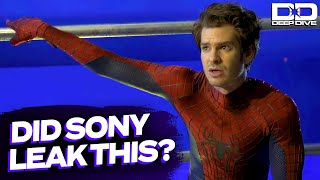


More from @cinepals
All →

Make videos? Your next one could be an article here.
We turn your videos into articles under your name, linked back to the original. You keep 60% of what they earn, non-exclusive, and you can leave whenever you like.
Become a SubPlotter →