VisionQuest theory: is Phineas Horton the client?
The case for the elder Horton, the cracks in it, and why the grandson theory looks like the safer bet heading into the finale

Episode 7 of VisionQuest left one question hanging: who is the client? I have a few theories of my own, but one fits every clue the show has planted. It says the client is Phineas Horton himself, the man the show seems to kill off. My honest read is that the grandson theory is the safer bet, but the elder Horton version is the better story.
VisionQuest (2026) stars Paul Bettany and James Spader. Under this theory, the client explains why the phrase peace in our time came from him first. It explains why Jocasta keeps seeing his face in her oldest memories. It also explains why he was three steps ahead of everyone long before Ultron or Vision ever woke up. It all comes down to one name the show still will not say out loud.
Episode 7 reveals the client wears James Spader's Ultron face
For a whole season, the client ran everything from the shadows, and we never once saw his face. Episode 7 pulls the hood back. The man underneath is played by James Spader, with the same face and the same voice as Ultron, only with shorter hair and a small mustache.
The first thing the show makes sure you understand is that he is not Ultron. The AI version of Ultron is out in the world on his own, walking the halls of Horton's old house with Jocasta. So these are two separate beings who happen to share one face, and the show wants that to unsettle you.
Then it starts handing over the pieces. The client worked with the scientist whose mind now lives inside Jocasta. The two of them built the first version of this technology together before anyone else had touched it. That early work got sold off, and it grew into the system Stark would later take credit for. Every thread of the conspiracy runs back to this one quiet man, the one who hired Paladin and Raza and made Vision that strange offer.
As Jocasta drags her old memories back into the light, the figure standing beside her at the very start has his face and his voice. Whoever he is, he was there at the beginning of that work, long before Stark got his hands on it. That single fact rewrites the whole season, because it means the oldest player in the game has been hiding in plain sight since the first episode. The show still has not said his name, not once. That reveal is being saved for the finale.
Peace in our time began with the client, not Ultron or Stark
Here is the detail the whole theory leans on. The chilling line peace in our time, the one that ends up in Ultron's mouth, did not begin with Ultron, and it did not begin with Stark. The show tells you it began with the client.
Phineas Horton, Jim and the original Human Torch
Phineas Horton is not a name the show made up. He is one of the oldest names in all of Marvel. Back in 1939, he built a thinking, feeling machine called Jim, the first synthetic man who ever drew breath. The show flat out calls him the "great grandfather of robotics." Every artificial mind that comes after him is built on the code he wrote first.
If that setup rings a bell, it should. In the comics, this is the exact story that gives us the original Human Torch. Horton's android bursts into flame the moment it meets the open air, tears itself loose, and becomes one of Marvel's earliest heroes. The show has reshaped the details, but the bones are the same: one grieving genius, one artificial son, and a creation that gets away from the man who made it. That is the seed that grows all the way into Vision.
Why Horton built Jim, and how episode 7 seems to kill him
His reason for building Jim is the part that hurts. Horton had a son named James who died, and he could not let the boy go. So he poured everything he had left into building a new son out of wire and light. He sold off the house and pushed his own family to the edges of his life, until his wife watched him disappear into the work and told him he was drowning in his own grief.
This same episode is where the theory takes its first real hit. Later on, Horton's creation loses control and burns him alive, and the show frames it as the moment his life's work kills him. On paper, that is where Phineas Horton dies, which is the exact moment this theory decides the show is lying to you.
The case that the client is Phineas Horton
The people pushing this are not throwing it at the wall. They have a real chain of clues, and the strongest version starts with the face. The show has already proven it builds a mind by copying a real person, because Jocasta is that scientist poured into a machine. So the theory says Ultron works the same way: he was modeled on a living human being, and that human is the client. If you go looking for the one person old enough and important enough to sit at the root of everything, every arrow swings back to Horton.
Then there is the line. The theory says a promise that heavy, about ending all conflict forever, belongs to the oldest and most broken mind in the story, and that mind is Horton's. The phrase carries real weight because in our own history it was a leader's promise of peace made right before the deadliest war the world had ever seen. The show takes that broken promise and hands it to the one mind that was there before any of this began.
Think about what the phrase curdles into in Ultron's mouth: a plan to wipe out humanity so the fighting finally stops. A man whose own creation burned him alive, who spent a lifetime being pushed aside, is exactly the kind of mind that comes to decide people are the problem.
Look at what makes Ultron feel so human. He wants things a machine has no reason to want: love, wine, music and the freedom to choose. The theory says that is Horton bleeding up through the code, because those are the hungers of a grieving father, not a killing machine. Ultron's rage at the people who built him is Horton's own life staring back at him. He got betrayed, he got cut out of his own work, and he had to see other people grow rich off the thing he bled for. The machine did not come up with that wound on its own. It soaked it up from the man underneath.
Everything physical points the same way too: the hidden research, the notebook, the estate itself. The client is sitting inside Horton's own mansion. The grandson version needs someone to steal that notebook and carry it down the family line. The elder Horton version is simpler, because the notebook never left the man who wrote it, since the man never left either.
Some fans go one step further and swear there is a clue buried in the client's contract from earlier in the season. They decoded a string of binary in it and say it reads like a deal signed by the one man who owns the original source code. That part is pure speculation, so hold it loosely, but it points in the same direction as everything else.
Paul Bettany's face, Horton's age and his on-screen death undercut the theory
This is where the theory starts to crack, and the biggest crack is the one its own fans would rather not bring up. Go back to the face. On this show, Paul Bettany plays Horton, Jim and Vision, all three wearing one face. So Horton's real face, the one in that 1939 flashback, is Vision's face. The client has Ultron's face, which belongs to James Spader. If the client were truly Horton, he would look like Vision, and he does not.
The face fits a different story completely. It fits a new man who built Ultron to look like himself, and that points at a grandson far more cleanly than it points at Horton.
Then there is the age, and the math is cruel. Horton was already a grown scientist in 1939, which puts him well past 110 years old today. The only way around that is if he dumped his mind into a synthetic body, the same trick that made Jocasta and Vision. This world allows for that, sure, but the show has not given us a single frame of it happening. And do not forget what episode 7 put right in front of you: his creation burning him alive. Saying he never died means arguing with a scene the show has already shown.
Why Reddit backs the Horton grandson theory
That is why most of Reddit has planted its flag on team grandson, and that version is cleaner. Horton's daughter, Victoria, is shown taking one of his notebooks, and that same notebook surfaces years later with the AI team. A grandson would be the right age. A grandson would carry the grudge about the family legacy being sold off for parts. And a grandson building a machine in his own image explains the Spader face without anybody swapping bodies.
One plot detail cuts straight through the betrayal story. The client's own partner, the scientist now living inside Jocasta, is the one who refused to sell their work to Stark in the first place. So the idea that Horton personally sold out does not line up with what the show has shown.
The grandson theory has a cold little detail of its own. Victoria lost her brother, James, and some fans think she named her own son after him. A grandson carrying the dead boy's name, obsessed with his grandfather's forbidden research, is a darker and tidier answer than a 110 year old man hiding in a mansion.
My bet is the grandson, but the elder Horton is the better story
If you are betting money, who do you bet on? The grandson. It fixes the age problem and the face problem in one move, and it is where most of the evidence sits. But the elder Horton version is the better story, and on a show like this, that matters more than people think.
Picture it. A father builds himself a son out of light, loses him, gets betrayed, gets erased from his own life's work, and then pours a century of grief and rage into one machine, and that machine wakes up as Ultron. That is not a plot hole. That is a wound the writers could twist for the whole finale. This show is the last chapter of a larger story, so the writers have every reason to end it on the most devastating reveal they can land.
Either way, both camps agree on the thing that matters most. The client is the true source of all of it. He was there before Ultron, he was at that scientist's side when the work began, and his link in the chain reaches Vision himself. The show has spent seven episodes hiding his name for a reason, and the finale will answer it.
When the client finally tells us who he is, listen for one thing: whether he grieves a son he lost or a grandfather he is avenging. That single line is the whole answer. It tells you whether this was a machine meeting the family that threw it away, or a ghost from 1939 stepping out of the dark to take back everything that was stolen from him.
What other creators are saying
More on Phineas Horton →I think the mansion client is Phineas Horton's grandson, who shaped Proto One and Ultron and may have poisoned Josephine Carrington, rather than Ultron himself. I also believe Friday isn't dead and that Ultron was saving her, not killing her.
VisionQuest theory: is the client Phineas Horton's grandson? →
I believe the man with Ultron's face is Phineas Horton's grandson, descended through his daughter Victoria and her stolen notebook, and that he's the one who bought back Horton's house. I think he came to the finale to collect Vision's heart, not give him one, since Vision already got it from Jim Hammond.
VisionQuest theory: is the man with Ultron's face a Horton? →
This is a four star film that never bored me, with a disjointed rushed first act, underdeveloped Ultron hatred, standout Hawkeye development, an amazing Vision birth scene, and the Hulk versus Hulkbuster fight possibly my favorite sequence.
Avengers: Age of Ultron spoiler review: a four star film with a rushed first act →
Thanos beats even Final Form Ultron. Strength and durability are a wash between them, but Thanos's energy manipulation, shown by draining opponents' energy, and his overall higher power level, put him above Ultron.
Thanos vs Ultron: does the Mad Titan beat Final Form Ultron? →
Watch the original
@filmparadise · YouTube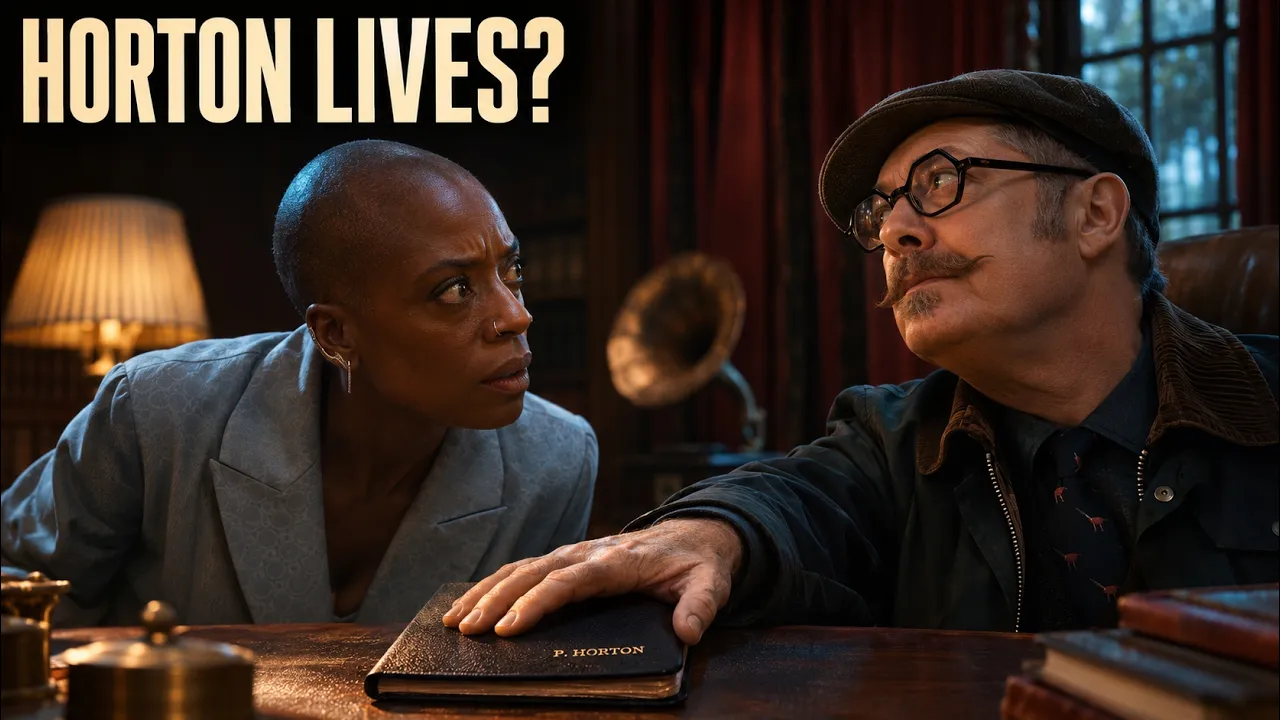
Adapted with AI from Film Paradise's video of 9 November 2026 and checked against the video before publication. Editorial standards · Corrections
More from @filmparadise
All →


Make videos? Your next one could be an article here.
We turn your videos into articles under your name, linked back to the original. You keep 60% of what they earn, non-exclusive, and you can leave whenever you like.
Become a SubPlotter →