How streaming is democratizing TV and one writer changed everything
A conversation about the entertainment industry shift, YouTube creators breaking into film, and the power of independent production.
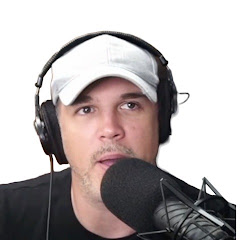 Kristian Harloff (AI-assisted)1 July 2026 · Editor: Digital Fox Talent Editorial Team
The entertainment industry is undergoing a seismic shift. YouTube creators are making films that outperform major studio releases, and independent creators are taking control of their stories without waiting for permission from traditional gatekeepers.
The New Economics of Film
A film called Obsession was made for $750,000. In its opening weekend, it made $17 million. By week two, it earned $20 million. By week three, $22 million. This isn't how movies typically perform. Usually, box office drops significantly in week two. But Obsession kept growing, powered by word-of-mouth and social media. To date, it has made $372 million on that $750,000 budget.
The same pattern happened with Back Rooms, a film based on a popular YouTube series. Made for over $10 million, it earned $80 million in its opening weekend.
Then there's The Amazing Digital Circus, an animated series that started on YouTube. Its finale, which dropped 11 days ago, has 70 million views. When the creators put it in limited theatrical release, it made $18 million, nearly matching the $170 million Supergirl film, which took years and massive studio resources to produce.
What This Means for Creators
These aren't outliers. These are examples of a fundamental change in how entertainment gets made and distributed. Obsession, Back Rooms, and Digital Circus all outperformed recent Star Wars, He-Man, and Supergirl films. The difference isn't budget or studio backing, it's authenticity, connection with audiences, and creative freedom.
The traditional entertainment system operates through gatekeepers: networks have notes, studios have notes, middlemen block projects, and committees water down original ideas. When everyone adds their input, funny moments get diluted. Unique voices get muted. Real stories become generic.
What these YouTube creators did was bypass that system entirely. They made what they wanted, shared it directly with audiences, and let the work speak for itself.
A 20-Year Partnership
This conversation explores how one person, a writer and creative force named Martini, changed the course of a career and a show. The two speakers met over 20 years ago at an Anchorman screening and became friends through the stand-up comedy scene. When one was struggling with the traditional television system, pitching pilots that got rejected or compromised, Martini offered simple advice: start a YouTube channel.
That channel became Schmoes Know, which grew into a successful show with a loyal audience. Later, when the speaker had written a pilot years earlier that never got made, Martini believed in it. She read a script that was too dramatic, too long, written for mid-30s characters. Instead of dismissing it, she said: let's rewrite it for us. For mid-lifers. For people who get each other.
They spent seven to eight months rewriting, getting notes from trusted collaborators, and imagining a world they wanted to create together. Within three days of sending it to a particular director, the response came back: "I'm in."
Why Independence Matters Now
The traditional route got complicated. So they decided to do something different: a Kickstarter campaign. The goal is to raise enough money to make the show themselves, with full creative control. If they exceed the goal, great. If not, they can pursue other routes. But the point is to own the process, involve the audience from the beginning, and make something real.
The budget needed is around $350,000, comparable to what The Bear pilot cost ($1.1 million), but achievable. More importantly, it's achievable without compromises imposed by committees.
The show itself is about two exes who have to work together. It's funny, dramatic, real, and grounded. The characters are flawed and lovable, the kind of people you'd want to hang out with. Because that's what great television is: hanging out with people you care about, in a world that feels true.
The Audience Is Ready
When Obsession was being made, the creator probably didn't walk into Hollywood studios asking permission. When Back Rooms creators decided to make a film, they didn't wait for a network greenlight. They did it themselves. And audiences responded because the work was good, original, and made with passion, not diluted by too many notes from people who weren't writers or comedians.
That's the shift happening now. Audiences would rather support a creator they know and trust than a watered-down product from a major studio. They want to be part of the process. When someone contributes $10 to a Kickstarter that becomes a show, they're not just a viewer, they're an investor, a believer, part of why it exists.
That's power. And it's available to anyone willing to do the work and trust their audience.
Watch the original
@thekristianharloff · YouTube
Adapted with AI from Kristian Harloff's video of 1 July 2026 and reviewed by Digital Fox Talent before publication. Editorial standards · Corrections
Also on Entertainment
5 creators, 63 takes →


More from @thekristianharloff
All →

Make videos? Your next one could be an article here.
We turn your videos into articles under your name, linked back to the original. You keep 60% of what they earn, non-exclusive, and you can leave whenever you like.
Become a SubPlotter →