What Is Infinity Vision? Disney's New Certification Explained Amid the Avengers vs Dune IMAX Fight
Disney's newest premium screen label was reportedly born out of a scheduling collision with Dune: Part Three, and it says a lot about how crowded the premium format market has become.
 Breakdowns & Blockbusters (AI-assisted)17 September 2026 · Editor: Digital Fox Talent Editorial Team
Infinity Vision sounds like a superpower Thanos would get after collecting all six Infinity Stones, not a movie format. But it is Disney's newest way of certifying a movie screen as premium, and it exists because of a scheduling fight over IMAX screens between Avengers: Doomsday and Dune: Part Three.
Going to the movies used to mean checking a showtime in the newspaper and picking a seat. Now it means choosing between IMAX, Dolby Cinema, 4DX, ScreenX, D-Box, and now Infinity Vision, all showing the same film. To figure out what Infinity Vision actually is, why theaters keep inventing new ways to watch movies, and how the fight against streaming turned moviegoing into a premium format arms race, it helps to start with how IMAX itself became a blockbuster format in the first place.
IMAX Went From Museum Documentaries to Blockbusters After The Dark Knight
For decades, IMAX was mostly associated with giant screens at museums and science centers showing documentaries about space, dinosaurs, and whales. The screen was enormous, the sound was immersive, and because the image filled so much of the field of vision, it felt less like watching something on a screen and more like actually being there.
Christopher Nolan changed that by using IMAX film cameras to shoot several of The Dark Knight's biggest action sequences, including the opening bank robbery, making it the first major Hollywood feature to use the format. Suddenly IMAX was not just for documentaries anymore. It became a premium way to watch blockbuster movies, and audiences loved it.
More importantly, studios and theaters loved it too, because they could charge more for an IMAX ticket than a regular one while also motivating audiences to go to the theater instead of waiting to watch at home. Filmmakers got a bigger canvas, audiences got a better experience, and studios made more money every time someone chose the IMAX showing. Because modern blockbusters, especially effects heavy superhero films, are so costly to make, shooting in IMAX gave studios another way to earn back those massive production costs.
Marvel's Digital IMAX Bet Paid Off With Infinity War and Endgame
Shooting on actual IMAX film is a massive pain, since the cameras are enormous, cumbersome, and loud. IMAX expanded into digital filmmaking to let filmmakers shoot on the format without those headaches, and Marvel jumped all over it. Infinity War became the first Hollywood movie shot entirely on IMAX ARRI digital cameras, followed by Endgame.
Financially, it paid off in a massive way. Infinity War made 41 million dollars from IMAX theaters around the world during its opening weekend. Only a year later, Endgame nearly doubled that with 91 million dollars from IMAX in a single weekend. By the time Disney started prepping the next Avengers film, Doomsday, shooting and releasing in IMAX was not a nice little bonus anymore. It had become a fundamental part of the business model, since audiences had come to expect an Avengers movie in IMAX and the premium prices helped recoup the enormous cost of making one.
Why Avengers: Doomsday and Dune: Part Three Are Colliding on December 18
Doomsday was supposed to come out in May, but after a writer strike, the original Kang Dynasty plans falling apart, and Marvel reworking the movie around Doctor Doom, the release date was pushed back seven months to December 18th. The problem is that another movie is releasing on the same date: Dune: Part Three, which is being shot on IMAX film.
Because Dune: Part Three is shot on IMAX film, Warner Brothers went out and booked all of the IMAX screens for its release, even selling tickets to them eight months before the film's release date. That left Disney needing another solution for Doomsday, so it started by booking Dolby Cinema, D-Box, 4DX, ScreenX, and other premium screens instead.
The trouble with that approach is that most people do not know the difference between all of those screens, while IMAX is easy to market because everyone already knows what it is. So Disney came up with a way to put all of those different screens under one name and called it Infinity Vision.
Infinity Vision Is a Certification, Not a New Camera or Screen Format
Despite the name, Infinity Vision is not a new movie format at all. Disney did not invent a new camera, projector, or giant screen. It is a certification created by Disney's marketing team. An existing theater applies to Disney, Disney checks whether the auditorium meets a set of minimum standards, and if it does, that screen gets an Infinity Vision badge.
To qualify, the screen has to be at least 45 feet wide, the theater needs immersive audio like Dolby Atmos or 7.1 surround sound, and the projector has to meet specific brightness requirements. Infinity Vision does not replace whatever format the theater already uses. A Dolby Cinema is still a Dolby Cinema, it just gets an extra Infinity Vision logo on top telling audiences it is more premium than a regular theater, which lets theater owners charge premium prices.
The IMAX CEO Calls It a Marketing Move, and Disney Is Using Endgame to Promote It
The CEO of IMAX came out and called Infinity Vision a marketing initiative, created because Disney could not get IMAX screens for Doomsday after IMAX had already committed those screens to Dune: Part Three.
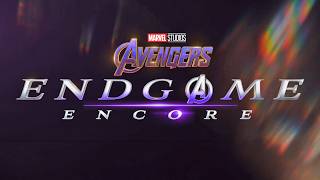
Disney is re-releasing Endgame in theaters several months before Doomsday comes out, with new footage designed to bridge the story into Doomsday. If it is seen in IMAX or Infinity Vision, audiences get a special sneak peek at Doomsday. Effectively, Disney is putting Infinity Vision into a movie audiences already know and love, placing the brand right beside IMAX, so that by the time Doomsday arrives, people already associate Infinity Vision with a premium way to see an Avengers movie. It seems clever, but it also seems a little desperate.
Hollywood Fought the Couch Before, With Smell-O-Vision and Widescreen Gimmicks
This is not the first time Hollywood has faced this problem. In the 1950s, television suddenly let people stay home and watch entertainment for free, and movie attendance began to fall. Hollywood responded by making the theatrical experience bigger and more elaborate, introducing widescreen formats like CinemaScope and Cinerama, bringing back 3D, and eventually experimenting with gimmicks like Smell-O-Vision, which pumped different smells into the theater during the movie.
That is essentially what is happening again today, except instead of a tiny black and white television, theaters are competing with enormous 4K TVs, Dolby Atmos sound systems at home, and virtually every movie ever made instantly available through streaming. The technological gap between watching at home and watching in a theater has gotten dramatically smaller, so theaters have once again started finding elaborate ways to make the experience impossible to recreate in a living room.
Breaking Down the Premium Format Alphabet Soup
There are so many of these formats now that most people have no idea what any of them mean. Dolby Cinema is basically a premium auditorium, with a larger screen, better picture, better sound, and usually reclining seats with extra legroom. Theater chains have their own versions of the same idea, including Cinemark's XD, Regal's RPX, AMC's Prime, and Cineplex's Ultra AVX in Canada.
A VIP theater is like watching a movie in first class, with fewer seats, bigger recliners, more legroom, and staff waiting on you. D-Box goes further, with motors in the seat that move, shake, and vibrate in sync with the movie, so a car crash jolts the seat and a spaceship launch makes it rumble. As it's described, "it's like a rumble pack in your seat."
4DX takes that concept and goes completely off the rails. Not only do the seats move, but the theater also blasts wind, sprays water, pumps in fog, and flashes lights timed to the movie, so watching Twisters can mean paying extra to be caught in the middle of one. Basically, "it turns watching a movie into a theme park ride." ScreenX extends the image beyond the normal screen onto the side walls, creating a roughly 270 degree image that wraps around peripheral vision.
4DX Effects Almost Spoiled a Scare in Halloween
The more a theater adds to a movie, the further it gets from the experience the filmmaker actually intended. For D-Box or 4DX, the director usually is not deciding exactly when a chair should shake or when the audience should get sprayed with water. Both formats have their own teams of haptic designers who watch the movie and build a motion track for it, with the studio reviewing the finished experience and filmmakers occasionally providing notes, but the person who directed the movie is not necessarily the person directing its 4DX version.
That gap can actually change how a scene plays or even spoil it. While creating the 4DX version of Halloween, the team originally added wind effects around some of the scares, only for the filmmakers to point out that the wind was essentially warning the audience something was about to happen, spoiling the surprise. As a result, the effect had to be changed.
Pushing Premium Formats Too Hard Could Make Regular Screens Feel Second Rate
The more studios advertise IMAX, Dolby Cinema, 4DX, and ScreenX as the definitive ways to experience a movie, the more a regular movie screen starts to feel like the compromised version audiences settle for because everything else was sold out. If a trailer says a movie was filmed in IMAX, the director spends months explaining why it needs to be seen on the biggest screen possible, and the ticketing page separates premium screenings from standard ones, that sends a message about what the normal theater is offering.
For decades, simply seeing a movie in a theater was the premium experience compared to watching at home. Now the movie theater itself has tiers: the regular version, the better version, the even better version, and now the version Disney has personally certified as Infinity Vision. The danger is that once people are convinced the normal theatrical experience is second rate, some may simply decide to wait and watch the movie at home if the IMAX showing is sold out, which would undercut the entire point of creating these premium formats in the first place.
Disney created Infinity Vision because IMAX was not available for Doomsday, but in doing so it sums up what moviegoing has become: watching the movie is no longer enough, now audiences need to watch the right version of it.
Watch the original
@breakdownsandblockbusters · YouTube
Adapted with AI from Breakdowns & Blockbusters' video of 16 September 2026 and reviewed by Digital Fox Talent before publication. Editorial standards · Corrections
Also on IMAX
4 creators, 6 takes → News
Dragon Ball Super: Super Hero Global Release Dates and English Dub Cast Revealed, With IMAX Screenings

 Lore
Avengers Endgame Encore Appears Limited To IMAX And Infinity Vision, With A Doomsday Sneak Peek Attached

 Breakdown
Avengers Endgame Encore Will Run Two Different Lengths, With IMAX and Infinity Vision Getting Extra Doomsday Setup Footage
More from @breakdownsandblockbusters
All →


Make videos? Your next one could be an article here.
We turn your videos into articles under your name, linked back to the original. You keep 60% of what they earn, non-exclusive, and you can leave whenever you like.
Become a SubPlotter →